
Panchakarma Retreat Or Spa Detox?
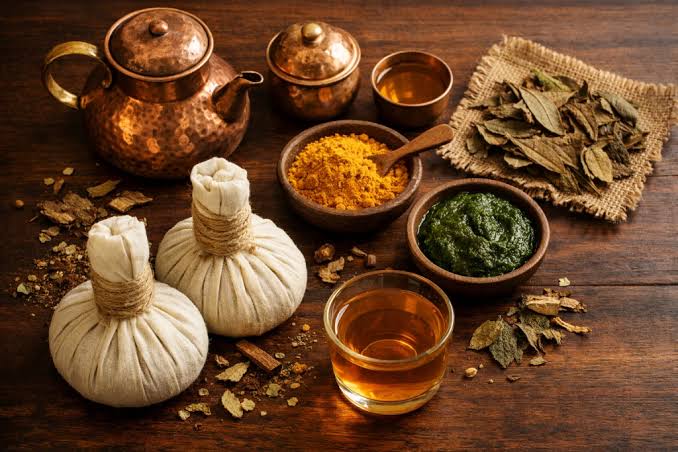

How Do You Choose An Ayurvedic Retreat in Kerala?
What First Timers Should Expect for 2026/2027-
Searching for an Ayurvedic retreat in India can feel overwhelming. A single web search will overload you with information on everything from clinical Panchakarma centers in Kerala to beach resorts offering "detox spa packages" (No, they are not the same thing!). Moreover, the prices swing from a few hundred dollars to well over ten thousand. And nearly every website promises to transform your health.
We think finding detox treatments, healing therapies or stress management retreats shouldn’t add more to your stress. So, here’s a platform for you- WellnessLoka is made to make your decisions easier by giving you guidance and transparency. We have a detailed walkthrough for every retreat we have listed on our website, an on-call doctor to guide you based on your needs and ailments, we have even personally reviewed all the places to ensure authenticity and give you an honest idea of what to expect, so that you can book a retreat that matches your genuine needs rather than the most persuasive marketing.
Panchakarma Retreat vs Spa Detox: What's the Difference?
This is the single most important distinction to understand, because the words "detox," "cleanse," and "holistic" are used loosely across the wellness industry.
Panchakarma (a Sanskrit term meaning "five actions") is a structured therapeutic protocol from classical Ayurveda. It is a medical process. A genuine Panchakarma programme begins with an assessment of your constitution (prakriti) and current imbalance (vikriti) by a qualified Ayurvedic physician, followed by a preparation phase, the main cleansing therapies, and a carefully managed recovery phase. The therapies are designed to mobilise and eliminate accumulated metabolic waste (ama) from the body's tissues.
A spa detox, by contrast, is a wellness and relaxation offering. It typically includes massages, herbal steam, healthy meals, and calming treatments in a comfortable resort setting. These can be genuinely restorative and enjoyable but they are not a clinical intervention, they usually run without a supervising physician, and they will not deliver the physiological reset that true Panchakarma aims for.
Neither is "better" in the abstract, they serve different purposes.
If you want deep rest and a calm break, a well-run spa retreat may be exactly right. If you're seeking a therapeutic process for a specific concern, insist on a centre where a registered Ayurvedic physician oversees your care from start to finish. If you have a diagnosed condition or take prescription medication, speak with your treating doctor before booking, and never discontinue prescribed medicines to "prepare" for a retreat.
What to Expect at an Ayurvedic Retreat: A First-Timer's Guide
If you've never done this before, the reality of an authentic retreat can surprise people who were expecting a luxury holiday. Knowing what's coming helps you choose the right programme and arrive prepared.
The initial consultation. Your stay should open with a detailed consultation. The physician examines your pulse, digestion, sleep, energy, and history, then designs your protocol.
A slower pace. Genuine programmes are deliberately quiet. You may be advised to rest, avoid screens, sleep early, and limit strenuous activity so your body can direct its energy toward the therapies.
A regulated diet. Meals are usually simple, warm, freshly cooked, and matched to your constitution. Coffee, alcohol, and rich food are typically set aside for the duration. For many first-timers this is the hardest adjustment and often the most valuable.
Therapies that build over days. Treatments such as warm-oil massage (abhyanga), medicated steam (swedana), and others unfold in a sequence. Some days you may feel tired or emotionally sensitive as your body adjusts.
Realistic outcomes. A good retreat leaves most people feeling lighter, calmer, and better rested, often with improved digestion and sleep. What it cannot do is cure chronic disease overnight or replace conventional treatment.
Is Panchakarma Worth It?
Cost is where expectations and reality most often collide, so let's be straightforward.
Prices vary enormously, though not for the reason most people assume. Among centers that pass the checks described below, you'll generally find qualified physicians, individually designed protocols, and properly trained therapists right across the price range.
What changes as the price rises is the environment around the treatment. The size and finish of your room. The grounds you walk in and the view from them. How many guests the staff are looking after at once. The range of food available beyond your prescribed diet. Whether the place feels like a hospital, a home, or a hotel. A modest treatment center and a five-star resort may run comparable protocols under comparably qualified physicians, and simply house you very differently while you go through them.
- Treatment focused stays with modest rooms and strong medical supervision are often the best value for genuine therapy, We recommend Rajah Healthy Acres
- If you are looking for comfortable stays with hotel amenities, the most common choice for international visitors are - Amal Tamara and Rajah Beach
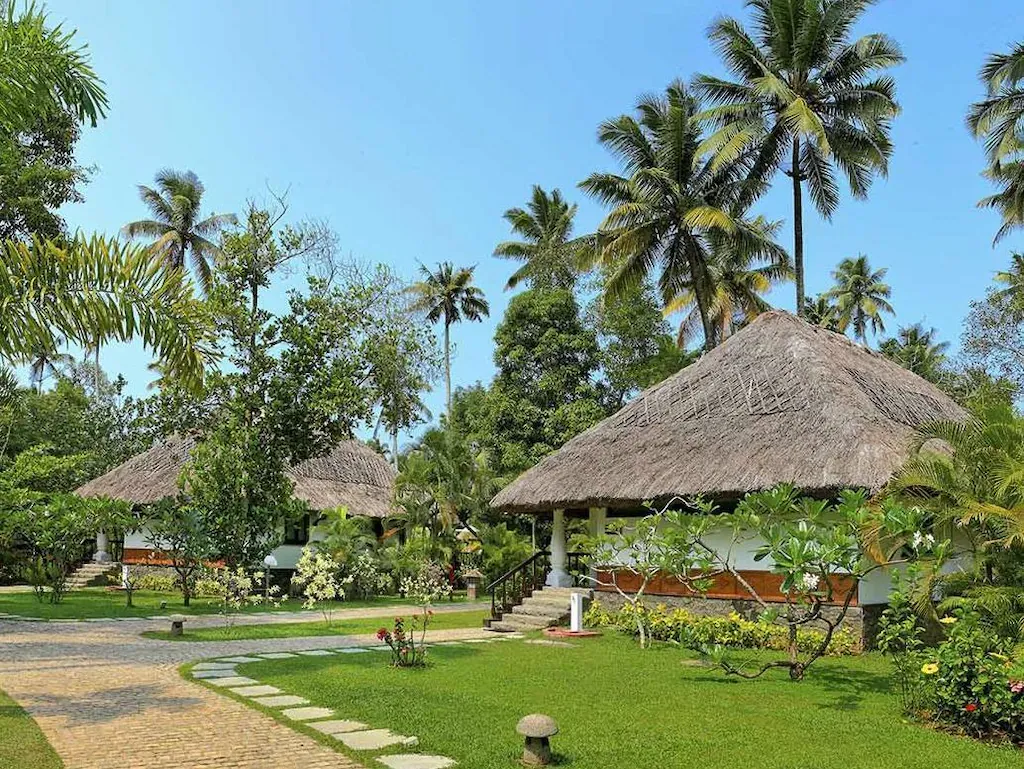
- For luxury retreat experience with five-star amenities and scenic settings, our top choice is Carnoustie Wellness Resort
To judge whether a price is fair, check for:
- A registered Ayurvedic physician supervising the entire programme
- Is the protocol personalised after an assessment, or is it a fixed package?
- What is included; consultation, therapies, medicines, meals, accommodation?
- Therapist-to-guest ratio
- Is there follow-up guidance after you leave ?
If you'd like help reading a specific center's pricing against what it actually includes, our free consultation exists for exactly this. There's no obligation to book anything through us.
Best Time of Year to Do Panchakarma
Timing genuinely matters in Ayurveda, though it need not be complicated. The best time is ultimately the time you can fully commit to. Panchakarma asks for your presence. However, here's a seasonal calendar for you to plan better-
- The cooler months (October to March) are the most popular window for international visitors, with comfortable weather across Kerala and much of the country.
- The monsoon season ( June to August) holds a special place in traditional practice. The humid, cool air is believed to open the body's channels and make tissues more receptive to therapy, which is why Kerala's classic Karkidaka monsoon treatments are so well regarded. The trade-off is heavy rain and travel disruption!
If you're travelling from abroad, factor visa timing into this. India's AYUSH visa category is designed for exactly this kind of trip, and our AYUSH Visa guide covers what you'll need and how far ahead to apply. If Kerala's monsoon doesn't suit your calendar, SriLanka and Bali run on different seasonal patterns and may fit better.
Ultimately, choosing well comes down to matching an honest understanding of your needs with a center that offers genuine clinical care.
WellnessLoka is building a trustworthy, plain-language reference for people exploring Ayurvedic wellness with clear explanations, honest prognoses, and no exaggerated promises. Under the guidance of our in-house Doctors, our aim is to help you ask the right questions and recognise authentic care when you see it, whether or not you ever book through us.
If you'd like guidance tailored to your situation, WellnessLoka offers a free initial consultation to help you understand your options before you commit to anything.
What is the difference between Panchakarma and a spa detox?
Panchakarma is a structured clinical protocol supervised by a qualified Ayurvedic physician, involving assessment, a preparation phase, cleansing therapies, and a managed recovery phase. A spa detox is a relaxation offering massage, steam, healthy food, usually without physician supervision or individual assessment. Both have value, but only one is a medical process.
How long should an authentic Panchakarma programme be?
Genuine programmes generally run 14 to 21 days, with 7 days as a realistic minimum for a limited protocol. Preparation, main therapy, and recovery each need time. Anything shorter marketed as full Panchakarma is a wellness stay rather than a clinical one.
How do I know if an Ayurvedic centre in Kerala is genuine?
Check these things: the centre's Kerala Tourism classification and registration under the National Commission for Indian System of Medicine, and whether your treatment plan is designed after a consultation rather than fixed at booking.
Is Panchakarma safe if I'm taking prescription medication?
It can be, but only with full disclosure and physician oversight. Tell both your treating doctor and the retreat physician exactly what you take before you travel. Never stop or reduce a prescribed medicine to prepare for treatment. Some therapies are unsuitable for certain conditions, and a competent physician will adjust your protocol accordingly.
When is the best time of year to do Panchakarma in India?
October to March offers the most comfortable weather and is the peak window for international visitors. June to August, the monsoon, is traditionally considered especially favourable, Kerala's Karkidaka treatments fall in this period, and centres are quieter and often cheaper, at the cost of heavy rain and travel disruption.