
Snehanam in Ayurveda: Why Oil Therapy is Essential Before Panchakarma
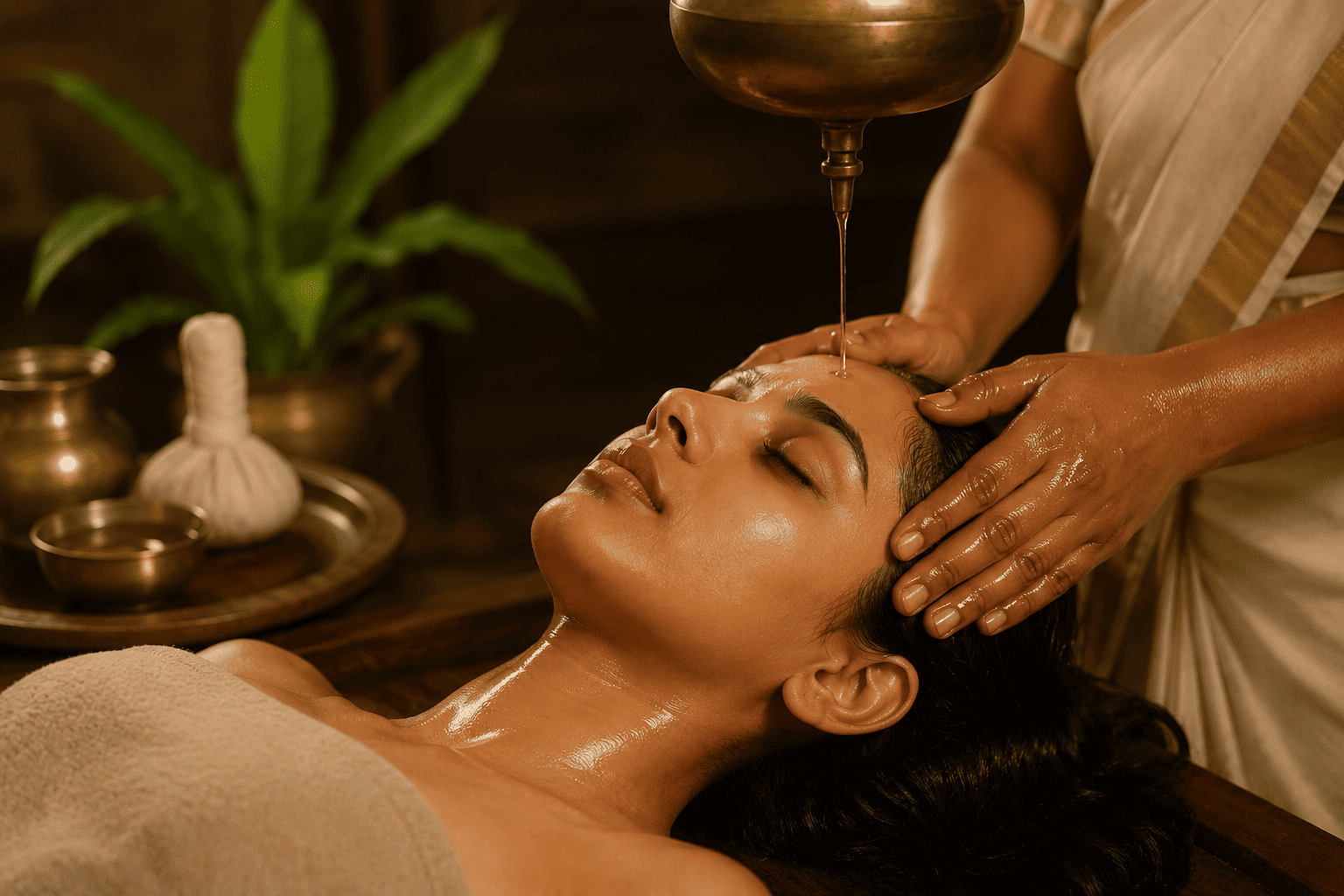
In Ayurveda, healing does not begin with cleansing alone. Before the body can detoxify deeply, it first needs preparation. This preparation is called Snehanam- one of the most important therapies performed before Panchakarma.
Known as Ayurvedic oleation therapy, Snehanam uses medicated oils and herbal ghee both externally and internally to loosen toxins, nourish tissues, calm the nervous system and prepare the body for deeper cleansing.
At WellnessLoka, Snehanam therapies are personalised under expert Ayurvedic supervision to help the body prepare safely and effectively for Panchakarma and rejuvenation therapies.
What is Snehanam in Ayurveda?
Snehanam, also called Oleation Therapy, is an Ayurvedic treatment that uses medicated oils, herbal ghee and lipid-based preparations either:
- Applied externally on the body or
- Consumed internally in measured quantities
The word Sneha in Sanskrit means both:
- Oil
- Affection or nourishment
This reflects Ayurveda’s belief that oils not only lubricate the body physically but also deeply nourish tissues and calm the mind.
Snehanam is traditionally performed for 3 to 7 days before Panchakarma detox therapies.
Why is Snehanam Important Before Panchakarma?
Ayurveda compares the body to a clogged pipe.
Over time, poor diet, stress, toxins, unhealthy habits, and improper digestion cause the accumulation of Ama- toxic metabolic waste that blocks the body’s natural channels.
Snehanam helps:
- Loosen accumulated toxins
- Lubricate body channels
- Bring toxins toward the digestive tract
- Prepare the body for elimination therapies
Without proper oleation, Ayurveda believes deep detoxification may not work effectively. This is why Snehanam is considered one of the most essential preparatory therapies before Panchakarma.
How Does Snehanam Work?
Ayurveda explains that oils penetrate deeply into tissues and help soften, loosen and mobilise toxins lodged within the body.
Snehanam works much like oiling a rusty machine:
- The channels become smooth and open
- Stiffness reduces
- Toxins loosen and gather together
- The body becomes ready for cleansing
This process supports the next stages of Panchakarma therapies more effectively.
Two Main Types of Snehanam
Ayurveda classifies Snehanam into two major categories:
1. Bahya Snehana (External Oleation Therapy)
This involves applying medicated oils externally through massage or therapeutic oil applications.
External oleation nourishes the skin, muscles, joints and nervous system while helping draw toxins outward.
Benefits of External Snehana
- Relaxes muscles
- Improves circulation
- Reduces stress
- Nourishes tissues
- Improves skin health
- Reduces stiffness and dryness
Common External Snehana Therapies
Abhyanga (Ayurvedic Oil Massage)
One of the most popular Ayurvedic therapies, Abhyanga involves rhythmic massage using warm medicated oils.
Abhyanga may help:
- Reduce stress and fatigue
- Improve circulation
- Nourish the skin
- Support relaxation
- Reduce body stiffness
Murdhni Taila (Oil Application on the Head)
In this therapy, medicated oil is applied to the head and scalp. It is traditionally recommended for:
- Mental relaxation
- Better sleep
- Stress reduction
- Calming the nervous system
Karna Poorana (Ear Oleation)
Warm medicated oil is gently administered into the ears. Ayurveda traditionally recommends this therapy to:
- Support ear health
- Calm Vata imbalance
- Reduce dryness
2.Abhyantara Snehana (Internal Oleation Therapy)
Internal oleation involves consuming measured quantities of medicated ghee or herbal oils under Ayurvedic supervision.
What is Snehapana?
Snehapana is the process of consuming herbal ghee or medicated oils in carefully measured doses.
Ayurvedic practitioners may use preparations such as:
- Triphala Ghrita
- Tikta Ghrita
- Medicated herbal ghee formulations
The purpose is to make toxins “slippery” so they can move through the body channels more easily and be expelled during cleansing therapies.
Benefits of Internal Oleation Therapy
According to Ayurveda, Snehapana may help:
- Improve digestion
- Nourish body tissues
- Lubricate internal channels
- Support detoxification
- Prepare the body for Panchakarma
- Calm dryness and Vata imbalance
Benefits of Snehanam Therapy
1. Supports Detoxification
One of the main purposes of Snehanam is preparing the body for detox. By loosening toxins and mobilising waste products, it supports deeper cleansing therapies more effectively.
2. Helps Reduce Stress & Fatigue
Warm oil therapies deeply calm the nervous system and promote relaxation. Many individuals experience:
- Better sleep
- Reduced anxiety
- Mental calmness
- Emotional relaxation
3. Nourishes the Skin & Tissues
Ayurvedic oils help moisturise and nourish the body externally and internally. This may help:
- Reduce dryness
- Improve skin texture
- Support tissue nourishment
- Improve flexibility
4. Improves Circulation & Mobility
Massage and oleation therapies support circulation and muscle relaxation. This can help reduce:
- Joint stiffness
- Muscle tightness
- Body heaviness
5. Supports Digestive Health
Internal oleation may help stimulate digestion and prepare the gastrointestinal tract for cleansing procedures.
Snehanam & Modern Wellness
Modern wellness practices increasingly recognise the benefits of:
- Therapeutic massage
- Warm oil therapy
- Nervous system relaxation
- Heat and circulation therapies
Ayurveda integrates all these concepts holistically through Snehanam while tailoring treatments according to the individual's Dosha balance and constitution.
Who Can Benefit from Snehanam?
Snehanam may benefit:
- People preparing for Panchakarma
- Individuals with stress and fatigue
- Those with body stiffness or dryness
- People with sedentary lifestyles
- Individuals seeking relaxation and rejuvenation
- Wellness and detox seekers
Is Snehanam Safe?
Snehanam should always be done under qualified Ayurvedic supervision. The therapy is personalised according to:
- Body constitution (Prakriti)
- Digestive strength
- Dosha imbalance
- Existing health conditions
Improper or excessive oleation may not suit everyone, especially without professional guidance.
Snehanam Before Panchakarma
Ayurveda considers Snehanam an essential preparatory step before Panchakarma because it:
- Loosens toxins
- Lubricates body channels
- Softens accumulated waste
- Prepares the body for elimination therapies
Without proper oleation, toxins may remain lodged deep within tissues, making detoxification less effective.
Experience Authentic Snehanam at WellnessLoka
At WellnessLoka, Snehanam therapies are guided by experienced Ayurvedic doctors using authentic herbal oils and personalised wellness protocols.
Whether you seek:
- Panchakarma preparation
- Detoxification
- Stress relief
- Better mobility
- Deep relaxation and rejuvenation
Snehanam offers a gentle yet powerful Ayurvedic approach to restoring balance and wellbeing.
Begin Your Ayurveda Wellness Journey
If you would like to experience personalised Ayurvedic therapies designed for your body and wellness goals, connect with the experts at WellnessLoka.
Fill out the consultation form to begin your journey toward natural healing, detoxification, and rejuvenation through Ayurveda.
Frequently Asked Questions
Is Snehanam only an oil massage?
No. Snehanam includes both external oil application and internal oleation using medicated ghee or oils.
How many days is Snehanam done?
Typically, Snehanam is performed for 3–7 days depending on the person’s condition and treatment plan.
Does Snehapana improve digestion?
Ayurveda traditionally recommends internal oleation to support digestion, lubrication, and detox preparation.
Can Snehanam reduce stress?
Yes. Warm oil therapies are deeply calming and may help relax the nervous system and improve sleep quality.