
Ayurvedic Remedies for Rheumatoid Arthritis: A Complete Guide
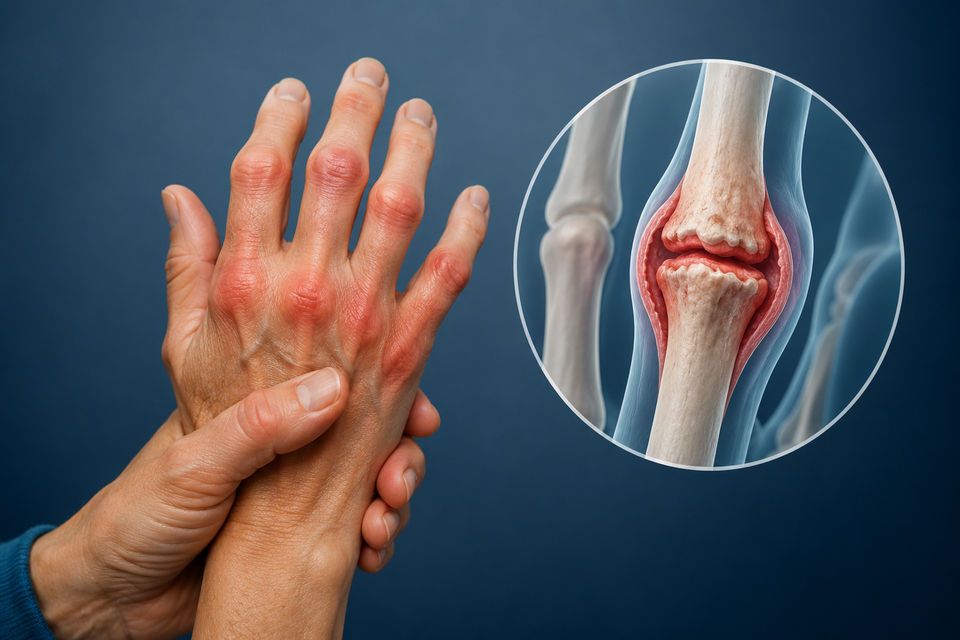
Joint pain, stiffness, swelling, fatigue and difficulty moving comfortably are becoming increasingly common today. While modern medicine identifies many of these symptoms under autoimmune and inflammatory joint conditions like rheumatoid arthritis, Ayurveda describes a similar condition called Aamavata.
In Ayurveda, Aamavata is not viewed as just a joint disorder. It is considered a condition that begins with poor digestion, toxin accumulation and imbalance of the Doshas- especially Vata.
At WellnessLoka, Ayurvedic therapies for Aamavata focus on improving digestion, reducing toxins, balancing Doshas, relieving stiffness and supporting long-term joint health naturally.
What is Aamavata?
The word Aamavata comes from two Ayurvedic concepts:
Aama- The Undigested toxic material formed due to weak digestion (Agni).
Vata- The Dosha is responsible for movement, circulation, and nervous system functions in the body.
According to Ayurveda, when weak digestion leads to toxin accumulation and these toxins combine with aggravated Vata, they begin depositing in the joints and tissues.
This results in:
- Pain
- Swelling
- Stiffness
- Heaviness
- Restricted movement
Ayurveda explains that unless the root causes- poor digestion and toxin accumulation are corrected, symptoms may continue to recur.
Is Aamavata Similar to Rheumatoid Arthritis?
Many Ayurvedic practitioners compare Aamavata to rheumatoid arthritis because both conditions commonly involve:
- Joint inflammation
- Morning stiffness
- Swelling
- Pain in multiple joints
- Fatigue
- Reduced mobility
However, Ayurveda approaches the condition differently by focusing on:
- Digestive health
- Toxin accumulation (Ama)
- Dosha imbalance
- Lifestyle and diet correction
Instead of targeting symptoms alone, Ayurveda aims to restore balance within the body holistically.
What Causes Aamavata According to Ayurveda?
Ayurveda explains that Aamavata develops due to a combination of poor digestion, unhealthy lifestyle habits and Dosha imbalance.
Common Causes of Aamavata
1. Weak Digestive Fire (Agni)
When digestion becomes weak, food is not properly metabolised, leading to the formation of Ama (toxins).
2. Heavy & Incompatible Foods
Ayurveda advises avoiding foods that are difficult to digest or incompatible combinations that burden digestion.
Examples include:
- Heavy oily foods
- Excess dairy
- Processed foods
- Overeating
3. Sleeping or Exercising Immediately After Meals
Improper timing of physical activity or sleep can disturb digestion and increase toxin accumulation.
4. Stress & Lack of Sleep
Mental stress and disturbed routines may aggravate Vata and weaken digestion.
5. Suppression of Natural Urges
Ayurveda considers suppression of natural urges such as hunger, thirst, or bowel movements harmful to overall balance.
Symptoms of Aamavata
Ayurveda describes several common symptoms.
Common Symptoms Include:
- Pain in multiple joints
- Swelling in joints
- Morning stiffness
- Difficulty moving comfortably
- Fatigue and weakness
- Heaviness in the body
- Indigestion
- Loss of appetite
The condition commonly affects:
- Hands
- Feet
- Knees
- Wrists
How Ayurveda Treats Aamavata
Ayurvedic management of Aamavata focuses on:
- Removing Ama (toxins)
- Improving digestion
- Balancing Doshas
- Reducing inflammation and stiffness
- Strengthening joints and immunity
Ayurveda approaches treatment through a combination of:
- Diet
- Lifestyle changes
- Panchakarma therapies
- Herbal medicines
- Yoga and stress management
Diet for Aamavata (Pathya)
Diet plays a major role in managing Aamavata naturally. Ayurveda recommends foods that are:
- Warm
- Light
- Easy to digest
- Anti-inflammatory in nature
Recommended Foods in Aamavata
Warm water with digestive spices such as Panchakola preparations.
Grains
- Barley
- Horse gram
- Kodo millet
- Red rice
Bitter vegetables
- Bitter gourd
- Neem
- Patola
Digestive spices
- Ginger
- Turmeric
- Garlic
Foods to Avoid in Aamavata (Apathya)
Ayurveda advises avoiding foods that increase Ama and worsen inflammation.
Foods Commonly Avoided:
- Curd
- Cheese
- Excess dairy
- Seafood
- Heavy lentils like urad dal
- Junk food
- Cold water
- Heavy meals
Lifestyle & Yoga for Aamavata
Lifestyle correction is considered essential in Ayurveda.
Gentle Yoga & Stretching
Ayurveda recommends gentle yoga practices that support:
- Flexibility
- Joint mobility
- Reduced stiffness
- Better circulation
Pranayama & Meditation
Stress management is important because mental stress can aggravate Vata imbalance.
Breathing exercises and meditation may help:
- Calm the nervous system
- Improve mental wellbeing
- Reduce stress-related aggravation
Abhyanga & Swedana
Ayurvedic oil massage and steam therapy are traditionally used to:
- Reduce stiffness
- Improve circulation
- Relax muscles and joints
Panchakarma for Aamavata
Ayurveda often recommends Panchakarma therapies for deeper detoxification.
Vasthi (Medicated Enema)
Vasthi is considered one of the most important therapies for balancing aggravated Vata in Aamavata.
It may help:
- Reduce dryness
- Improve mobility
- Support detoxification
Swedana (Herbal Steam Therapy)
Herbal steam therapies help reduce:
- Stiffness
- Heaviness
- Muscle tightness
Virechana (Therapeutic Purgation)
Used in selected individuals to help remove accumulated toxins and excess Doshas.
Ayurvedic Herbs Used for Aamavata
Ayurveda traditionally uses herbal formulations to support digestion, reduce Ama and balance Doshas.
Common Ayurvedic Preparations
Kwatha (Herbal Decoctions)
- Rasna Panchaka
- Dashamoola
- Amritarishta
Churna (Herbal Powders)
- Ajmodadi Churna
- Panchakola
- Ashwagandha
Guggulu Formulations
- Simhanad Guggulu
- Yogaraja Guggulu
Medicated Oils & Ghee
- Dhanvantara Taila
- Narayana Taila
- Rasnadi Ghrita
These should always be taken under qualified Ayurvedic supervision.
Can Ayurveda Help Manage Aamavata Naturally?
Ayurveda focuses on managing the root causes of Aamavata through:
- Improving digestive strength
- Reducing toxin accumulation
- Correcting lifestyle habits
- Supporting joint health naturally
Many individuals seek Ayurveda for:
- Long-term joint support
- Better mobility
- Reduced stiffness
Experience Ayurvedic Care at WellnessLoka
At WellnessLoka, Aamavata management is approached holistically through:
- Personalised Ayurvedic consultations
- Panchakarma therapies
- Herbal support
- Diet guidance
- Yoga and wellness programs
The goal is not only symptom relief, but restoring balance, digestion, mobility and overall wellbeing naturally.
If you are looking for natural Ayurvedic support for joint stiffness, inflammation, digestive imbalance or holistic wellness, connect with the experts at WellnessLoka.
Fill out the consultation form to begin your personalised Ayurveda wellness journey.
FAQ Section
Is Aamavata the same as rheumatoid arthritis?
Aamavata is considered the Ayurvedic condition that closely resembles rheumatoid arthritis based on symptoms and presentation.
Can Panchakarma help Aamavata?
Ayurveda traditionally recommends Panchakarma therapies like Basti and Swedana for managing toxin accumulation and balancing Doshas.
Which foods worsen Aamavata?
Heavy, oily, cold, and difficult-to-digest foods are generally avoided in Ayurveda for Aamavata management.
Does digestion affect joint pain in Ayurveda?
Yes. Ayurveda believes weak digestion and Ama formation are central to the development of Aamavata.